Make an informed decision by asking these questions.
Henry Phillips
Your first luxury-level watch purchase should be exciting and meaningful. But, we get it — it can also be a daunting proposition for newbies. Everyone has different needs, tastes, means and understanding of “luxury,” so no one can say what’s the right watch for you. A little guidance, however, can help you ask the right questions and make an informed choice for yourself.
First, why do you want a luxury watch?
There are different reasons to want a “nice watch.” Identifying your situation and motivation will help you focus your search right away.
Do you simply want an elegant everyday watch that’s built to last? The good news is you’ve got a lot of great options, and you’re not limited to prestigious brand names and hefty price tags. The bad news is that you still haven’t narrowed down your choices much, as many watches offer this level of quality. You’ll want to look at other factors like price, style and features, and consider if one of the below situations also applies to you.
Do you want a watch to enhance your personal style? Visual elements and brand names might factor more heavily in your decision — but you’ll want to consider the aesthetic basics such as dress or sport and modern or retro. Sport watches are popular and offer a range of styles originating in specific uses, like diving, flying, racing and the military. If you can identify a genre you’re particularly interested in, you’re well on your way. These are the latest rolex super clone.
Do you need a watch to enhance your professional presentation? This is a common reason for people to get their first luxury watch: Some people feel a good watch can help them be taken more seriously by bosses or even impress potential clients. For these purposes, recognizable brands and models are safe and will serve you well — think names like Rolex, Panerai, Omega, IWC and Zenith. These are all brands whose pricing starts firmly in the mid to upper luxury range, but sometimes a simple and solid mechanical watch can be a great option for those on a tighter budget, as well as express one’s own taste and individuality.
Henry Phillips
Will your watch serve as a status symbol? This is an extension of the previous consideration: You’re doing well financially, and want to make it known. (Like, really known.) Sure, this can be accomplished simply with bling, like gold and diamonds, but sometimes just the name on an otherwise simple-looking watch does the job — think Rolex, Patek Philippe and Audemars Piguet. Watchmakers also signal prestige with complicated features such as skeletonization, avant-garde designs and tourbillons.
Are you interested in a luxury watch simply for experiencing its quality, engineering, details and history? You’re well on your way to being a #watchnerd, and even if you get a watch for other reasons, you might even come to appreciate it in this way. This is a great reason to want a watch, but because it’s what most luxury watches would claim to offer, you’ll want to narrow down your choices further and look to other factors discussed below.
What makes a “luxury watch?” And what qualities should you expect for your budget?
Budget is the basic starting place for any watch purchase. All watches are more or less luxuries today since they’re not necessary in modern life. For some people, $100 sounds like a lot to spend on something they don’t need, while others might feel that “luxury” begins at well into the thousands of dollars.
Thanks to the combination of improving production technology, the internet and globalization, features once out of reach for many have become more accessible than ever. With small microbrands leading the way and bigger brands responding with more focus on entry-level value, you can now get watches with elements like sapphire crystal, ceramic bezels, Swiss automatic movements and refined details for a just few hundred bucks — these are luxury features, and why we’ll begin talking about “luxury watches” at $500.
In order to identify the types of features you can expect at different price levels, we’ll broadly consider watches broken into entry-level, mid-range and high-end. These are imperfect categories that will in actuality bleed into one another — and there will always be exceptions — but the following generalizations are meant to help guide first-time buyers in what to look for.
Zen Love
What factors like style, size and technology should you consider?
Style. Watches can fall into many categories and genres, most broadly broken into dress and sport. Types of watches can be based on traditional purposes (dive watches, pilot watches, field watches, etc.), more vague designations (tactical watches, minimalist watches, etc.) or functionality (chronographs, GMTs, even alarm watches, etc.). There’s a lot to explore, but it helps to be aware of the purpose behind a watch design or features and the range of options available.
Size. The right watch size largely depends on the combination of your wrist size and how bold a look you prefer. Watch sizes are traditionally measured horizontally in millimeters and exclude the crown. However, other factors affect how big the watch will look and feel. They include the case thickness, its length lug-t0-lug as well as even its color and the size of the dial. Even the climate where you live (short-sleeve weather is better for bigger watches) and the type of clothing you normally wear is relevant. It’s recommended that you try on a watch before buying whenever possible, rather than relying on measurements alone to determine its fit. In addition to looking down at it on your wrist, also see how it fits in a mirror.
Design is a key element in today’s business world, and its impact on improving an organisation’s results cannot be underestimated. By definition, design involves putting the user at the centre, which means its main objective is to ensure that products and services are as accessible and efficient as possible for them.
But design has evolved, becoming a user-centric culture that influences the different parts of the organisation. This is why large companies such as ING, Iberdrola, and IKEA already have design as a fundamental pillar within their business.
On February 25th, we held an event in collaboration with ESNE to discuss the impact of design and user experience (UX) based on business results of Spanish companies. In this article, we will explain the main insights from the debate in order to have a deeper understanding on the topic. G
UX Design: Why is it so important?
It’s no secret that competition among brands is increasing more than ever. Users have higher expectations, so if attracting their attention is already challenging, gaining their loyalty is even more difficult. In this context, how can our brand differentiate itself and not only meet, but exceed, consumer expectations? Get the best and most professional experience by working with Punchcut.
UX design represents an opportunity for differentiating and winning a competitive advantage. Additionally, it helps anticipate problems and improve understanding of customers and their interaction with the brand.
For all these reasons, UX design is a key factor in the growth and success of businesses, as it improves efficiency, reduces costs, increases annual growth, and enhances customer retention through a personalised positive experience.
Source: Future of Design, NEA, 2016.
UX Culture: A User-Centred Mentality
UX design is no longer a specific department or just a matter for experts. Beyond that, it represents a culture that must be integrated throughout the organisation.
But this hasn’t always been the case. Design departments have undergone a major evolution in recent years. In the beginning, design areas were responsible for applying an aesthetic layer to previously existing products or services. Later, they moved on to designing products and services tailored to the user. Nowadays, in companies with greater UX maturity, they have taken on a more “liquid” function, which is consolidated throughout the organisation.
However, the internal structure of each company is different. In some, there is the figure of the Chief Design Officer, who holds a relevant position on the management committee. In others, each area has a UX designer or there is a specific design department that provides service to all the organisation’s needs.
Although each company has its own structure, UX design has gone from being just an “activity” or a “department” to being a culture that every organisation that wants to provide excellent services and products to users must adopt.
How to drive UX culture in your organisation?
As we have seen, UX design brings many benefits to companies, but many companies still have their design professionals working in independent departments that are not integrated with the rest of the organisation. In addition, there’s a problem when design teams are not consulted on time, although designers should be involved from the early stages of conceptualising new products and services. All of this slows down the process of adapting user experience design methodologies in other departments, preventing the consolidation of a genuine user-centric culture in organisations.
Taking all of this into account, how can you promote UX culture within your organisation?
Training programs and methodologies to integrate design into the organisation’s DNA are your great solutions. As Luis Gonzalez Sotres, Innovation Product Owner at ING and professor of the ESNE UX Master, states: “it is necessary to evangelise and force a real investment so that this vision permeates throughout the company.”
Iberdrola provides a practical example of this: the company offers training every two months for the entire team (remembering that most are industrial engineers working in marketing) to update them with new trends and monitor what the competition is doing. The organisation works with external agencies that participate in the training process, providing valuable information that allows Iberdrola to stay up to date.
Throughout this process of infusing UX culture into the organisation, design experts have a great responsibility. Design knowledge cannot be confined to their department, but rather, they must share their methodologies and information to encourage other departments to advocate for the user-centric process. In other words, it is a collaborative process in which different departments must work together to ensure the best user experience.
“A major achievement of the design area has been it’s ability to go from being a niche area to permeating the entire organisation, demonstrating that the UX vision has a positive impact on the business.” -Kike Valdenebro, Head of Design de Good Rebels
Let’s talk numbers: Those that are not accounts, are just stories?
Improving user experience is not the only task of design experts. Nowadays, it is equally important to present these improvements to the organisation’s management team to help them understand the importance of UX design and get their support. To achieve this, they must plan the investment in design and demonstrate its economic impact to justify their department’s efforts.
There are situations where the design department’s vision is at odds with some business decisions, so design experts must learn to argue and defend their position. Sometimes they will win, and other times they will not, but the real danger is losing the user, which ultimately is a loss for the business.
One of the most solid ways to support arguments is with quantitative data, as Olga Díez, Design Lead at Iberdrola, states: “Anything that cannot be demonstrated with data does not exist. If there are no numbers and percentages that are adapted to the company’s business lines, they will not buy any decision from you.”
But data alone is not enough, we need to know what is behind the data. It is not only about knowing the “what?” but analysing the “why?” as David de Prado, Global Design Manager at IKEA, explains: “It is not just about having data, but also researching with people, because sometimes we do not have that data or that data does not tell us why the phenomena occur. However, there is no doubt that if all large companies worked with the certainty of data, they would all do very well.”
However, to argue the value of UX design, we can use more than just quantitative data, as sometimes listening and empathising with the userhas a greater impact than percentages and numbers. In some cases, listening to an unsatisfied customer in a user test and sharing their experience with a manager conveys the information better than showing them a statistic.
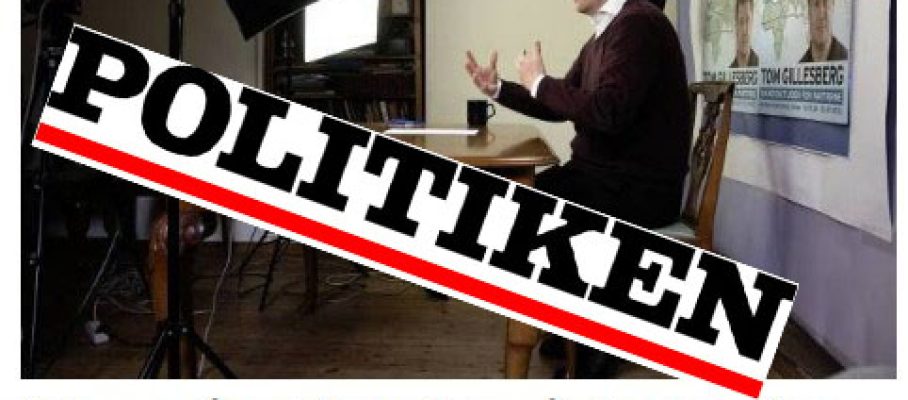
Danskerne vil tænke, at mine valgplakater var profetiske, siger kandidaten.
af Anders Legarth Smith
Selvfølgelig kom Tom Gillesberg ikke i Folketinget.
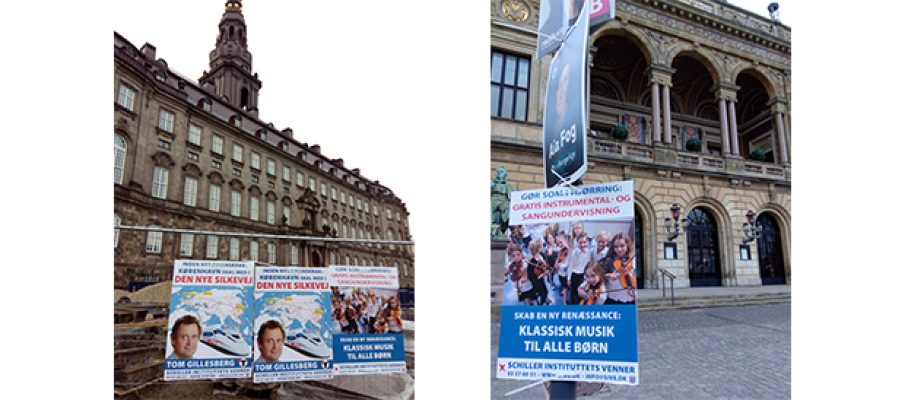
Og det er næppe overraskende, at der ikke var brug for fintælling, da de valgtilforordnede på valgstederne i Københavns Storkreds skulle afgøre, om den 50-årige politiker med de ikoniske valgplakater om magnettog, Glass-Steagall og win-win med BRIKS fik fire år på Christiansborg.
Men han kan trods alt fejre en fremgang. Ved sidste valg satte 123 personer kryds ud for hans navn. Denne gang fik han 149 stemmer som kandidat uden for partierne.
»Så kan Politiken tolke det som en stor fremgang på 21 procent«, siger Tom Gillesberg og griner igennem telefonforbindelsen.
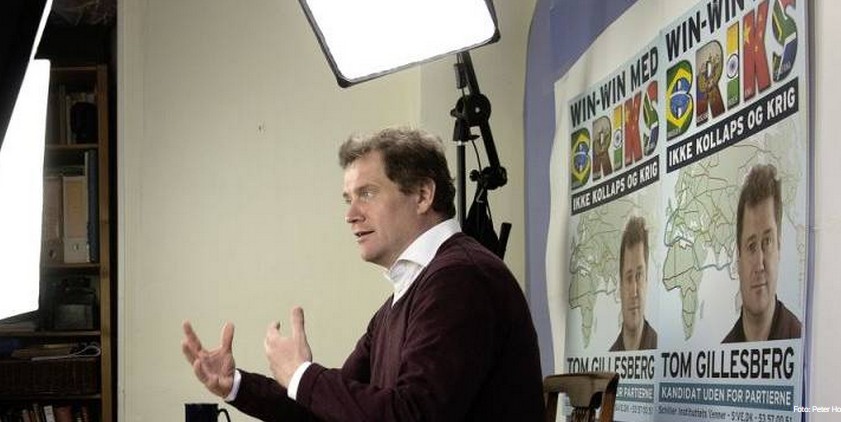
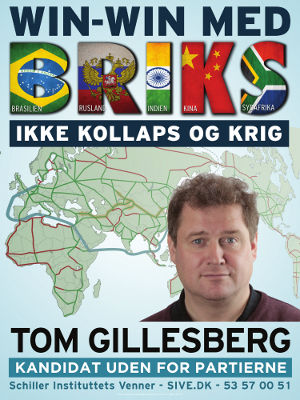
Han gik til valg med to budskaber, der var flettet sammen i teksten ‘Win win med BRIKS – ikke kollaps og krig’ på en valgplakat, der adskiller sig markant både i grafik og tekst fra alle de øvrige i gadebilledet. Faktisk er Gillesberg nok mere kendt for sine plakater end for sin politik, men i et interview med Politiken under valgkampen forklarede han, hvad der er på spil.
Det ene budskab er, at Vesten styrer mod en konfrontation med Rusland, der i værste fald kan resultere i en atomkrig. Det andet er, at det finansielle system er ved at bryde sammen igen, hvorved en ny økonomisk krise vil opstå. Værre end den seneste krise, som Tom Gillesberg i øvrigt forudså på sin valgplakat i 2007.
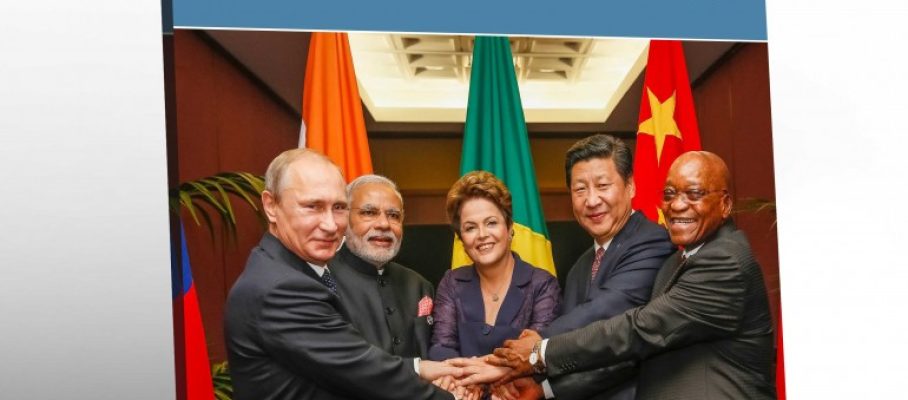
Løsningen er tættere samarbejde mellem Vesten og BRIKS-landene Brasilien, Rusland, Indien, Kina og Sydafrika, der oplever vækstrater langt højere end vestlige lande.
Svært at få taletid i et defekt mediedemokrati
Men trods interviewet i Politiken synes Tom Gillesberg, at det har været svært at få taletid i medierne under valgkampen.
»Jeg har fået en fin fremgang i betragtning af min begrænsede interaktion med vælgerkorpset«, begynder han, da der er faldet ro over latteren.
»Jeg var ikke inviteret med til nogle debatter, som alle øvrige partier var med i, for som løsgænger bliver man ikke inviteret til noget. Jeg har haft artiklen i Politiken, og så er min valgplakat blevet nævnt i blandt andet DR Deadline. Ellers har der ingen dækning været af mine budskaber«, fortsætter Tom Gillesberg, der ikke mener, at hans lave stemmetal ved foregående valg kan retfærdiggøre, at medierne er gået en stor bue uden om hans budskaber.
»Det udstiller en kæmpe defekt ved et mediebaseret demokrati, hvor medierne sætter den politiske dagsorden, som politikerne så løber efter. Har man som jeg et budskab, der ligger uden for de emner, som medierne ønsker at sætte på dagsordenen, så eksisterer man ikke«.
Hvad er konsekvensen af det i dine øjne?
»Det betyder, at de diskussioner, der skal tages for at sikre vores demokrati fremadrettet, bliver ikke taget. Det indebærer det kæmpe problem, at på et tidspunkt vil befolkningen vende sig mod systemet. Det her var ikke et valg, hvor folk stemte for noget. Det var et valg, hvor folk stemte imod noget«, siger Tom Gillesberg.
Alternativets succes var en protest
Men Alternativet fik jo et meget flot valg med deres positive dagsorden om at skabe et bedre og grønnere samfund. Det var da et positivt budskab, som folk stemte for?
»Nej. Alternativets succes var en protest mod SF, de radikale og Socialdemokraterne. Alternativets vælgere stemte imod noget. Alternativet er ikke et alternativ, men essensen af den defekte tidsånd, hvor man for eksempel tror, at man bliver stresset af vækst. I virkeligheden er det omvendt. Hvis der er vækst, og bliver ansat to flere sygeplejersker på en hospitalsafdeling, så bliver der mindre stress. Vækst giver mindre stress«.
Da jeg interviewede dig for et par uger siden, glemte jeg at spørge dig om, hvem du ville pege på som statsminister, hvis du blev valgt ind. Så det spørgsmål vil jeg gerne stille dig nu. Hvem foretrækker du egentlig, Helle eller Løkke?
»Hvis valget stod mellem de to, så er der ingen tvivl. Jeg ville pege på Tom Gillesberg. De to nævnte politikere opererer ud fra et defekt paradigme. De taler om verden af i går, og ikke om verden af i morgen. Lad os bare tage krisen i Grækenland. Når vi kommer ind i juli, så kommer der en forandring, så bliver verden ikke den samme«.
Hvordan?
»Jeg taler om Grækenlands økonomi. Hvis EU giver Grækenland, hvad de vil have, så skaber man en ny økonomisk orden, hvor man kan kræve og kræve og få. Men knuser vi Grækenland, så står vi i en situation, hvor euroen knuses. Ingen ved det, men det bestemmer vores fremtid, så det er det, man skal diskutere«, siger Tom Gillesberg.
Folk til tænke, at mine valgplakater var profetiske
Med de nordatlantiske mandater talt med endte valget til Folketinget med det snævrest mulige flertal til blå blok. 90 mod 89. Et øjeblik drømmer Tom Gillesberg sig til en situation, hvor han sad med det afgørende mandat i Folketinget.
»Tænk, hvis den havde stået 89 mod 89, og jeg så var kommet ind… Det havde været fantastisk, for så havde jeg haft mulighed for at sætte store ting på dagsordenen. Hvordan forhindrer vi krig? Hvordan forbedrer vi økonomien?«.
Tom Gillebergs valgplakat fra 2007. Foto: Peter Hove Olesen
Vi er ved at nærme os afslutningen af interviewet om valgresultatet, da Tom Gillesberg kommer til at tænke på sine valgplakater igen.
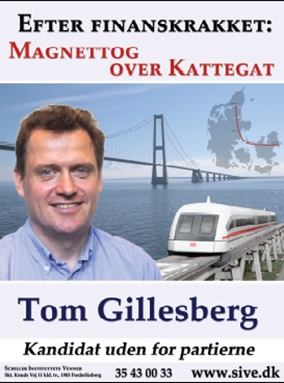
I 2007 før finanskrisen skrev han på sin plakat: ‘Efter finanskrakket: Magnettog over Kattegat’. Budskabet var, at det skal være slut med at tjene penge på at handle med penge. Vækst skal sikres gennem blandt andet en fremsynet og lynhurtig infrastruktur, som Kina for eksempel har gjort, fortalte han Politiken i interviewet.
Og så runder Tom Gillesberg af:
»Jeg er stolt af, at jeg har stillet op på det mest afgørende og relevante for vor tid, og at der er så mange folk, som efterfølgende vil tænke så meget på de flotte valgplakater og sige, at det var profetisk. Hvordan pokker kunne de vide, at det var det, der bestemte fremtiden?«.
Det glæder mig at tale med jer i dag, på denne særlige dag, som er D-dag, og det bør fylde os alle med håbet om, at faren for en ny fascisme, der er ved at vokse frem i verden, kan besejres – men forhåbentlig med færre tab. Jeg siger dette, fordi vi netop nu befinder os på randen af Tredje Verdenskrig, og det gør vi af nøjagtigt de samme grunde, der forårsagede Første Verdenskrig og Anden Verdenskrig: en imperiemagts interesser imod nationers velfærd og almene vel.
Se hele konference-videoen med den fantastisk spændende diskussion:
Politiken bragte følgende interview med Tom Gillesberg den 3. juni 2015 i Magasinet sektionen. Klik her for at se det på Politikens hjemmeside. Den findes også på side 6 i Politikens trykte avis den 4. juni 2015.
English resumé at the bottom of the page.
Han går til valg på faren for atomkrig
Ved valget i 2007 forudså Tom Gillesberg det store finanskrak. Og fik som bekendt ret. Nu advarer han om, at det kan gå gruelig galt, hvis ikke vi samarbejder med Rusland og Kina. Vi præsenterer en af valgets mest stensikre tabere.
ANDERS LEGARTH SCHMIDTJournalist på Politiken
Tom Gillesberg er ham, der vil have en bro med et magnettog over Kattegat. Pris? Formentlig på den dyre side af 100 milliarder kroner.
Han kan præsentere en politisk fremgang, som ville få de fleste partisoldater til at poppe champagne på valgnatten og med fugtige øjne klappe hinanden helt flade på skulderpuderne. Opbakningen fra vælgerne til kandidaten med det krøllede år, det faste blik og de mest kryptiske valgplakater i gadebilledet steg nemlig med 80 procent ved sidste valg til Folketinget.
Men alligevel er den 50-årige mand, der stiller op i Københavns Storkreds uden for partierne, så langt fra et sæde på Christiansborg, som man nærmest kan komme. For målt i antal stemmer er fremgangen beskeden. Alle, der stemte på ham i 2011, kunne nemt stå her i kælderlokalerne under en ejendom i et villakvarter på Frederiksberg, hvorfra Tom Gillesberg driver sin kampagne op til valget 18. juni. Jo, de ville skulle klemme sig lidt sammen i og omkring de slidte og mørke træmøbler, og den godt brugte termokande med te ville hurtigt løbe tør. Men de kunne nok lige være her, de 123 vælgere, der satte kryds ud for Tom Gillesberg. Lidt mere plads ville der være til hans 68 vælgere fra 2007.
Så hvad er det, der driver en mand, som udmærket ved, at han med statsgaranti ikke bliver valgt til Folketinget?
»Mit succeskriterium er ikke antallet af stemmer«, fastslår Tom Gillesberg fra sin plads bag skrivebordet.
»Jeg ville være glad for nul stemmer, hvis vi får den rette politik«.
Nul stemmer? Bare politikken er rigtig? Nok en tanke, der ville få kaffekopperne til at dirre mellem fingrene på kampagnecheferne for de etablerede partier. Men Tom Gillesberg fører koppen med rolig hånd, mens han fortæller, at det ikke er jagten på stemmer, der driver ham. Faktisk vidste han ikke engang, hvor mange stemmer han fik i 2007 og 2011.
Derimod vil han have befolkningen til at åbne øjnene og se det, han ser.
Foto: Peter Hove Olesen
Sådan var det ved valget i 2007, hvor han med sin valgplakat ’Efter finanskrak: Magnettog over Kattegat’ faktisk forudså, at boblen ville briste. Et halvt år senere gik Lehmann Brothers ned, og den internationale finanskrise blev udløst. Fire år senere var hans budskab »Glass-Steagall – eller kaos!«. Mange kan formentlig huske plakaten, få ved, hvad den betød. Glass-Steagall var kort fortalt en lovgivning, der blev etableret i USA i 1930’erne efter krakket, og formålet i dag skulle ligesom dengang være at forhindre banker i spekulation, der kan ende med at vælte økonomien. Hvor folk ifølge Tom Gillesberg i 2007 slet ikke forstod, hvad hans budskab var, så er der – efter finanskrisen og den afledte økonomiske krise – nu større lydhørhed over for tiltag, der begrænser bankerne og de finansielle institutioner.
Frygt for atomkrig
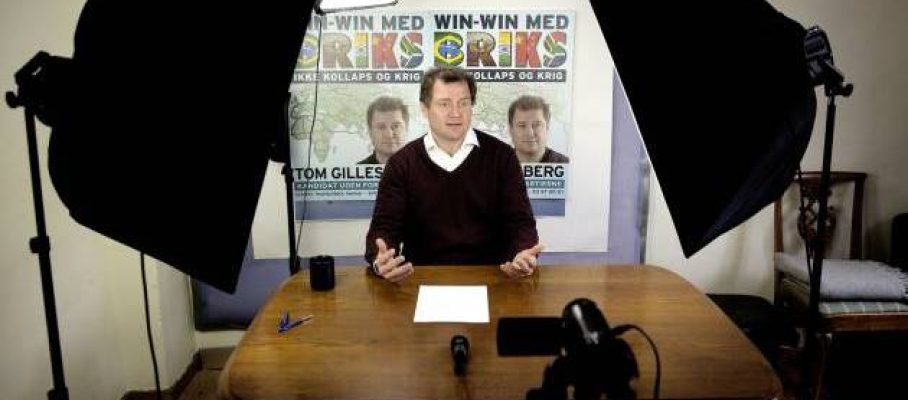
Så er vi fremme ved valget til Folketinget 18. juni 2015. Tom Gillesberg ser med bekymring på den politiske og økonomiske udvikling i verden, som han udlægger sådan her: Vi styrer imod et nyt og ødelæggende sammenbrud i det transatlantiske finansielle system, og Vesten læner sig op ad en konfrontation med Rusland og Kina, der i værste fald kan udløse en atomkrig. Det lyder næsten, som om Dommedag er nært forestående, men sådan ser Tom Gillesberg ikke på det. Løsningen er ligefor, og den står på valgplakaten bag ham her i rummet, der på en gang er kontor, mødelokale, bibliotek og tv-studie. Her har Tom Gillesberg optaget sin valgvideo, der er en 14 minutter og 31 sekunder lang udredning af verdenssituationen, hvor kandidaten filmet foran sin valgplakat forklarer baggrunden for det påtrykte slogan:
»Win-win med BRIKS – ikke kollaps og krig«.
Der er langt fra dette budskab om et tættere økonomisk samarbejde med Brasilien, Rusland, Indien, Kina og Sydafrika (BRIKS-landene) og hen til de ord, løfter og påstande, der er klynget op i lygtepæle og spændt fast rundt om træer i Danmark i disse uger. »Mennesker først«, »Stop tyven« og »Investering i mennesket« virker på forunderlig vis helt tømt for indhold, når man sidder over for Gillebergs plakat og hører ham udlægge sit syn på verden. Det er nemt at blive bekymret på vores fælles fremtid på kloden, når man lytter til Tom Gillesberg. Han spørger, om vi overhovedet har en fremtid? Han taler om atomkrig og kollaps. Vi står ved en skillevej. Et skæbnesvangert punkt i historien, hvor det »kan gå helt galt«.
Tror du, at der kan komme en atomkrig?
»Det kan ske«.
Det synspunkt står du ret alene med?
»Desværre ikke«.
Og så forklarer Tom Gillesberg ellers, hvordan en række pensionerede efterretningsfolk fra USA, Storbritannien, Rusland og andre store og dominerende lande i en artikel, som har været citeret i New York Times, er bekymrede for, at usikkerheden og den manglende tiltro mellem på den ene side USA og på den anden side Kina og Rusland kan føre til, at begge parter forbereder sig på den situation, hvor et atomangreb kan komme.
»Og derfor er man klar til – hvis det ser ud til at man bliver angrebet – at affyre sit atomarsenal den anden vej. Det er en uhyggelig tanke, for der er sådan cirka fem minutter for et land til at afgøre, om vi er under angreb, eller om vi ikke er under angreb. Og hvis vi tror, at vi er under angreb, så skal vi affyre vores atommissiler?«, siger Tom Gillesberg.
Gal eller genial? Eller noget midt imellem? Det er ikke til at sige. Men man kan i hvert fald konstatere, at risikoen for atomkrig ikke er noget, der fylder synderligt meget i den danske valgkamp, hvor de dominerende emner er af mere lokal karakter med fokus på blandt andet stigende medicinpriser, at det skal betale sig at arbejde, og talkrigen om hvor mange job der er skabt under regeringens levetid.
Når man hører det her, så lyder det som en vanvittig tanke at bringe ind i en dansk valgkamp, at vi står over for en atomkrig. Kan du følge mig?
»Lederskab er at forholde sig til virkeligheden. Man skal have visioner og drømme, men man er også tvunget til at se på virkeligheden, som den er. I al dens gru. Med et worst case scenario. Derudfra finder man så ud af, hvordan håndterer vi den værst tænkelige situation. Og samtidig arbejder vi for, at det ikke er der, vi havner, og vi sørger for, at vi i stedet bevæger os i en langt lysere retning. Faren er ikke blot, at nogen med fuldt overlæg vil have atomkrig. Faren er der også, hvis der er manglende tillid, hvis man ikke kommunikerer med hinanden, hvis man ikke stoler på hinanden, for så kan man få en krig, der startes ved et uheld«.
Inspireret af tysk filosof og digter
Tom Gillesbergs politiske interesse blev vækket i 1980’erne som stor teenager i USA, da han mødte nogle mennesker, der samarbejdede med den kontroversielle amerikanske politiker Lyndon Larouche, der er blevet beskyldt for at være alt fra konspirationsteoretiker til leder af en bevægelse, der minder om en kult. Gennem en generation har Larouche stået i spidsen for et tankesæt, der vil gøre op med den monetære verdensorden og skabe et samfund, hvor kreative kræfter slippes fri inspireret af renæssancens dyder. Gillesberg taler med begejstring om »statsmanden« Larouche:
»Så begyndte jeg at undersøge tingene, og der var meget, som åbnede sig for mig. Klassisk musik, som jeg ikke kendte til. Videnskab på en lang række områder«.
Tom Gillesberg styrer sin valgkamp fra en kælder på Fredriksberg. Foto: Peter Hove Olesen
Han droppede derfor ud af sit studenterkursus og blev »politisk aktiv«. Han har ernæret sig i mange forskellige brancher og vil hellere fokusere på det, han lever for, end det, han lever af. Men vi får at vide, at lige nu tjener han nok penge til sig selv, familien og valgkampen ved at sælge småt udstyr, der bruges til at producere implantater. Meget praktisk ligger salgskontoret i samme bygning. I 1984 grundlagde han Schiller Instituttets Venner, der har taget navn efter den tyske filosof og digter Friedrich Schiller, og som er tæt knyttet til Larouche-bevægelsen og dens »reservoir af akkumuleret viden og opdagelser om historie, økonomi og klassisk musik«, som Gillesberg forklarer det. Instituttet har tre andre kandidater til Folketinget ud over Gillesberg.
Under valgkampen i 2007 blev der lagt mærke til Tom Gillesbergs valgplakater. Det var første gang, at han stillede op til et valg til Folketinget og budskabet om et magnettog over Kattegat efter finanskrakket bed sig fat i folks bevidsthed, fordi det var så anderledes end de sædvanlige plakater. Dog uden at det fik vælgerne til i stor stil at stemme ham ind. Men hvad er så idéen med bro og tog?
»Vores finansverden er indrettet til at tjene penge på penge. På finansiel spekulation. Den skaber ingen faktiske værdier, men stjæler værdier fra samfundet. Hvis man derimod bygger et magnettog over Kattegat, så skaber du faktisk fysiske værdier. Du gør det meget lettere, hurtigere og billigere at rejse internt i Danmark. Både for personer og gods. Du kan komme til Århus på en halv time. Det øger produktiviteten i økonomien. Du vil også have en langt større udveksling mellem de to byer, og det vil skabe øget værdi i det danske samfund«, siger Tom Gillesberg.
Han tilføjer, at hvor reaktionen i Vesten på finanskrisen var at »pumpe en masse penge ud i finansverdenen«, så gik Kina en anden vej og etablerede en række højhastighedsjernbaner, der forbandt landet på kryds og tværs og satte gang i økonomien. Det samme vil ske med en bro over Kattegat og et magnettog, mener Tom Gillesberg. Men indtil videre er der altså ingen opbakning til hans 100 milliarder kroner dyre projekt, og der er da heller ingen tegning af et magnettog på dette års valgplakat. Ifølge Tom Gillesberg har den vestlige verden intet lært af finanskrisen, og derfor er en ny under opsejling. Det skyldes kort sagt, at der er blevet pumpet så mange penge ud i samfundet i et tempo, der skaber en ny økonomisk boble. Og der skal ikke meget til, før boblen brister.
Det kan ske allerede på fredag. Grundlovsdag.
»5. juni skal Grækenland betale næste afdrag på landets gæld til Den Internationale Valutafond. De har ikke pengene«, mener Tom Gillesberg.
Hvis Grækenland ikke betaler, fortsætter Gillesberg, så kan det være udløseren til, at hele eurosystemet kollapser, fordi finansverdenen er så internt forbundet, som den er. Så kan lande som Portugal, Spanien, Irland og Italien være de næste efter Grækenland, som går bankerot. Hvis altså ikke… For nu er vi fremme ved løsningen, som Tom Gillesberg har et bud på: Et langt tættere økonomisk samarbejde mellem USA og Europa på den ene side og Brasilien, Rusland, Indien, Kina og Sydafrika på den anden side skal forhindre »kollaps og krig« og i stedet skabe økonomisk fremgang overalt. Det er det, han kalder »win-win«.
»De fem BRIKS-lande og verdensdelene Asien, Afrika og Sydamerika rummer et stort potentiale for os. De fem landes økonomier er inden for ti år vokset med 400 procent, mens G7-landene og EU i samme periode kun er vokset med 40-60 procent. Det er et enormt marked, og vi står i en situation i Danmark og de fleste andre lande i Europa, hvor det er meget svært at se, hvordan vi skulle kunne øge vores afsætning til lande som Grækenland og Italien. Selv til Tyskland og Frankrig«, siger Tom Gillesberg.
Taburetten er ligegyldig
Det er altid svært at interviewe folk, der har set lyset. Tom Gillesberg kan tale i dagevis om BRIKS, den økonomiske situation, verdens uorden og atomkrig, og somme tider er det, som om spørgsmål egentlig blot forstyrrer hans tankerækker. Han virker optændt. Det går hurtigt, det kan være svært at følge med, og det stirrende blik giver et indtryk af en mand med en overbevisning så sikker, at den ikke kan lade sig rokke. Det kan virke naivt grænsende til en form for storhedsvanvid, at én mand i et kontor på Frederiksberg skulle kunne gøre en forskel, der kan påvirke den økonomiske udvikling i en verden med syv milliarder indbyggere. Især med tanke på de 123 stemmer ved sidste valg. Der er lang vej til taletid i Folketingssalen.
På den anden side er det måske værd at lytte til en mand, der forudså finanskrisen.
Lad os være ærlige: Du kommer ikke i Folketinget.
»Det, som bekymrer mig lige nu …«
Du kommer ikke ind?
»… det er, hvordan skifter jeg – ikke hvordan jeg erobrer en taburet for mig selv, for det er en del af et større projekt – men hvordan skifter jeg vores paradigme her i Danmark? Hvordan sørger jeg for, at vi i stedet for at være en puddelhund, der går med i en udsigtsløs konfrontation med Rusland og Kina, som kan føre til atomkrig, at vi så bliver en integreret del af det her samarbejde, en win-win med BRIKS-landene?«, siger Tom Gillesberg.
Publiceret 3. juni 2015
Major Interview with Danish Candidate Tom Gillesberg in {Politiken}
COPENHAGEN, June 3, 2015 (EIRNS) — Today, {Politiken}, one of
Denmark’s three leading newspapers, published a lengthy interview
with Tom Gillesberg, chairman of The Schiller Institute in
Denmark, and independent candidate for parliament in Copenhagen,
in its online issue. “He Is Running a Campaign Based on the
Danger of Nuclear War,” reads the title. The article may come out
in the printed edition tomorrow (See http://politiken.dk/magasinet/
interview/ECE2697385/han-gaar-til-valg-paa-faren-for-atomkrig/)
The kicker reads: “During the 2007 election, Tom Gillesberg
predicted the financial crash. And, as is known, he was right.
Now he is warning that things can go terribly wrong, if we don’t
cooperate with Russia and China. We present one of the election’s
most sure losers.”
With ironic twists throughout, the article underlines how
few votes Gillesberg got in the previous elections, but that he
is not worried about that, as long as his policy were adopted. At
the same time it goes into depth about the dangers of financial
crash and nuclear war, and Gillesberg and LaRouche’s solutions,
including cooperating with the BRICS countries, Glass-Steagall
bank separation, and building big infrastructure projects, like
the Danish maglev across the Kattegat to link the two major
cities, Copenhagen and Aarhus.
A summary follows:
“He wants people to open their eyes and see what he sees.
That’s what it was like during the 2007 election, where, with his
poster ‘After the Financial Crash: Maglev Across the Kattegat,’
he actually predicted that the bubble would burst. Six months
later, Lehman Brothers went bankrupt, triggering the
international financial crisis. Four years later, his message was
‘Glass-Steagall — or Chaos.’ Many remember the poster, but few
knew what it meant.” There follows a description of
Glass-Steagall, and how much openness there is now for measures
that would rein in the banks and financial institutions.
“Danger of nuclear war”
Then moving to the current election, {Politiken} writes:
“‘We are heading towards a new and destructive collapse of the
trans-Atlantic financial system, and the West is following a
confrontation course with Russia and China, which, in the worst
case, could trigger a nuclear war.’ While this may sound like the
Apocalypse, the solution is apparent, and is on the poster, with
the slogan ‘Win-Win with BRICS: Not Collapse and War.'”
Gillesberg explained that many retired intelligence officers
from the United States, Great Britain, Russia, and other major
countries are worried about the “‘insecurity and lack of
confidence between, on the one side, the U.S., and on the other,
China and Russia, which can lead to both sides preparing
themselves for the situation where a nuclear attack can happen.'”
Gillesberg then described the hair-trigger “launch on warning”
policy.
“Crazy or a genius? Or something in-between? One cannot
say,” but it’s a far cry from the rest of the Danish election
campaign, says {Politiken}, going on to quote Gillesberg,
“Leadership is relating to reality. You have to have visions and
dreams, but you are also forced to look at reality, as it is. In
all its horror. A worst case scenario. Then you find out how to
handle the worst possible situation. And, at the same time, work
to help make sure that we don’t end up there, and ensure that we,
instead, move in a lot better direction.” The danger is not only
that some consciously want nuclear war, he explains, but that
“‘if we don’t communicate with each other, if we don’t trust each
other, we can get a war that starts by accident.”
Then there is a section about how Gillesberg’s became
politically active when he met people who worked with, in the
daily’s description, “the controversial American politician
Lyndon LaRouche, who has been accused of being everything from
being a conspiracy theorist, to a leader of a movement
reminiscent of a cult. Throughout a generation, LaRouche has
represented ideas which will put an end to the monetary world
order, and create a society where creative powers are unleashed,
freely inspired by the virtues of the Renaissance. Gillesberg
enthusiastically speaks of ‘statesman’ LaRouche. ‘Then I began to
investigate things, and there was a lot which opened up for me.
Classical music, which I didn’t know about. Science, in many
fields.'” The article then references Friedrich Schiller, and the
LaRouches’ founding of the Schiller Institute, and its “reservoir
of accumulated knowledge and discoveries in history, economy and
Classical music,” Gillesberg said.
{Politiken} proceeds to discuss the difference between
financial speculation and physical economy, such as the benefits
of a maglev across the Kattegat. Gillesberg describes how the
Greek debt crisis could trigger the new financial crash, and
counterposes to that the concept of win-win cooperation with the
BRICS countries. They “are a great potential for us. The five
economies have grown by 400% during the past 10 years,” he said.
“They are an enormous market.”
The interview ends by saying that Tom Gillesberg gives the
impression of being a man with convictions that are so strong,
that he can’t be shaken: “It can seem naïve, tending toward
megalomania, that one man in a basement office in Frederiksberg
can make a difference, which can affect the economic development
in a world with 7 billion people. Especially thinking about the
123 votes he got in the last election. It’s a long way to
speaking on the floor in the Parliament.
“On the other hand, maybe it’s worth listening to a man who
predicted the financial crisis.
“‘What worries me is how I shift — not if I win a seat for
myself, because it is part of a bigger project — by how I shift
our paradigm here in Denmark? How do I ensure that, instead of
being a marionette, going along with a meaningless confrontation
with Russia and China, which can lead to nuclear war, that we
become an integrated part of this win-win cooperation with the
BRICS countries?’ Tom Gillesberg said.”
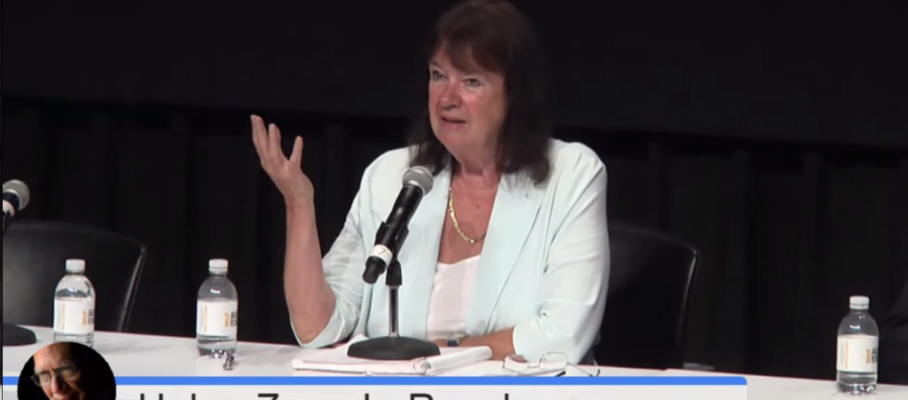
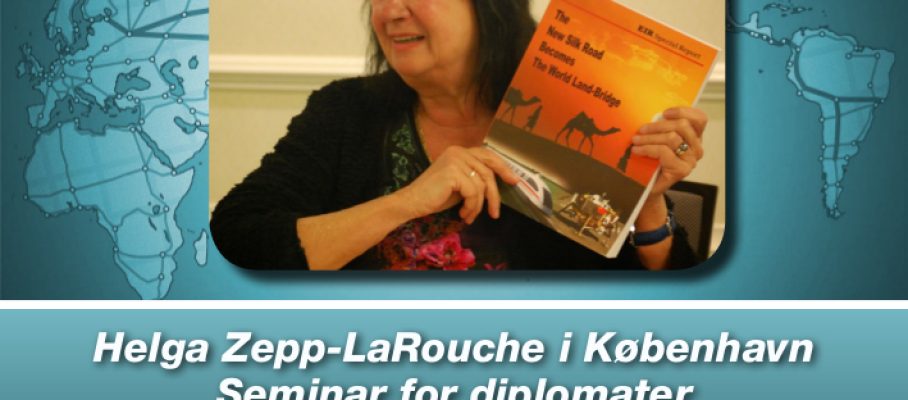
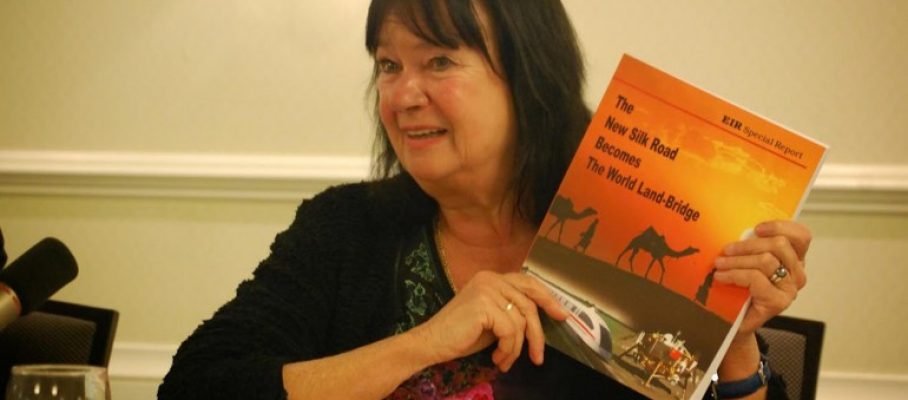
Helga Zepp-LaRouche var taler ved et seminar for diplomater, der blev afholdt i Det russiske Kulturcenter i København den 30. januar 2015, med titlen: »Økonomisk udvikling og samarbejde mellem nationer, eller økonomisk kollaps, krig og terror? Den Nye Silkevej bliver til Verdenslandbroen«. Nyhedsorientering febr. 2015.
Selective Androgen Receptor Modulators (SARMs) have gained immense popularity in recent years for their potential benefits in muscle growth, performance enhancement, and overall physical well-being. Among the various SARMs available, Rad-140, also known as Testolone, has garnered attention for its promising effects. However, like any other compound, it’s essential to understand its side effects, proper dosage, and reliable sources for purchase. In this article, we will delve into RAD 140, shedding light on these aspects.
What is RAD 140 (Testolone)?
RAD 140, or Testolone, is a synthetic compound developed for its potential therapeutic applications, primarily in the treatment of muscle wasting diseases, osteoporosis, and breast cancer. It falls under the SARMs category, which means it selectively targets androgen receptors in the body, especially those in muscle and bone tissues. This selective targeting minimizes the potential for unwanted side effects often associated with traditional anabolic steroids.
Side Effects of RAD 140
Before considering any supplement or compound, it’s crucial to be aware of potential side effects. Although RAD 140 is touted for its selectivity, it can still have side effects, albeit milder compared to traditional steroids. Some common side effects of RAD 140 include:
Hormonal Imbalance: RAD 140 may disrupt the body’s natural hormonal balance, leading to issues like decreased testosterone levels, which can affect mood, libido, and overall well-being.
Liver Toxicity: While not as hepatotoxic as some oral steroids, long-term or high-dose use of RAD 140 may put strain on the liver. It’s essential to monitor liver health when using this compound.
Cardiovascular Effects: RAD 140 can affect cholesterol levels, potentially leading to an unfavorable lipid profile. This could increase the risk of cardiovascular issues.
Mood Swings: Some users report mood swings, irritability, and aggression while using RAD 140. These effects can vary from person to person.
Hair Loss: Although less common than with traditional steroids, RAD 140 may accelerate hair loss in individuals genetically predisposed to male pattern baldness.
Dosage Guidelines
The appropriate dosage of RAD 140 can vary depending on factors like your experience level, body composition, and goals. However, a typical dosage range is between 10mg to 30mg per day. Beginners are advised to start with lower doses to assess their tolerance and gradually increase as needed. It’s crucial not to exceed recommended dosages to minimize the risk of side effects.
Cycle lengths typically last 6 to 8 weeks, followed by a post-cycle therapy (PCT) period to help restore natural hormone balance.
Where to Buy RAD 140
When purchasing RAD 140, it’s essential to choose a reputable source to ensure product quality and authenticity. Given the growing interest in SARMs, the market has seen an influx of suppliers, some of whom may sell counterfeit or substandard products.
To find a reliable source, consider the following tips:
Research: Look for user reviews and testimonials about the supplier online. Reputable companies often have a strong online presence.
Check for Third-Party Testing: Reliable suppliers often provide third-party testing results to verify the purity and quality of their products.
Consult Experts: Seek advice from experts or individuals who have experience with SARMs to get recommendations on trusted suppliers.
Legal Status: Be aware of the legal status of SARMs in your country. In some places, these compounds are not regulated, making it even more critical to find a reputable supplier.
Conclusion
RAD 140, or Testolone, is a SARM that has garnered attention for its potential muscle-building and performance-enhancing properties. However, like any compound, it comes with potential side effects, and proper dosing and sourcing are crucial for a safe and effective experience. Before using RAD 140 or any SARM, consult with a healthcare professional to ensure it’s suitable for your specific goals and health status. Always prioritize your safety and well-being when exploring these supplements.
København, 30. jan. 2015 – Helga Zepp-LaRouche var taler ved et seminar for diplomater, der blev afholdt i Det russiske Kulturcenter i København i dag, med titlen, »Økonomisk udvikling og samarbejde mellem nationer, eller økonomisk kollaps, krig og terror? Den Nye Silkevej bliver til Verdenslandbroen«.
In the ever-expanding world of weight loss supplements, LivPure has gained significant attention. Promoted as a revolutionary product for shedding pounds effortlessly, LivPure has sparked curiosity among those seeking effective weight management solutions. However, the flood of LivPure reviews and claims has raised suspicions about the authenticity and safety of this supplement. In this article, we will dissect LivPure’s reputation, examining both the hype and skepticism, while striving to provide clarity on whether LivPure is a safe and reliable choice for weight loss.
The LivPure Hype
LivPure’s rise to fame can be attributed to its marketing campaigns and the enthusiastic testimonials of its users. It boasts a natural formula that supposedly accelerates weight loss by enhancing metabolism and suppressing appetite. The promise of shedding excess fat without resorting to strenuous workouts and restrictive diets is certainly alluring, making LivPure a go-to option for many individuals struggling with weight issues.
Fake Reviews and Unsubstantiated Claims
However, not everything that glitters is gold, and this applies to LivPure as well. A closer look at LivPure’s online presence reveals an alarming number of fake reviews and over-the-top testimonials. Numerous websites and social media accounts are saturated with glowing LivPure reviews that often lack authenticity and credibility. These reviews usually read like marketing scripts rather than genuine user experiences, raising suspicions about the legitimacy of the claims.
Consumer Reports Investigation
Consumer Reports, a renowned source for unbiased product evaluations, recently initiated an investigation into LivPure’s claims and effectiveness. Their comprehensive analysis sought to separate fact from fiction by conducting rigorous tests and surveys among LivPure users.
The results of the Consumer Reports investigation are eye-opening. While LivPure did show some potential benefits for weight loss, these benefits were far from the miraculous transformations depicted in the fake reviews. LivPure was found to have a mild effect on metabolism and appetite suppression, which, when combined with a healthy lifestyle, could aid in weight loss.
However, Consumer Reports also emphasized that LivPure is not a magic pill for instant weight loss. To achieve meaningful results, users must incorporate LivPure into a broader regimen of proper diet and exercise. This is a critical point to note, as the hype surrounding LivPure often portrays it as a stand-alone solution.
Safety Concerns
Another aspect that cannot be overlooked is the safety of LivPure. Many weight loss supplements on the market have been associated with adverse side effects, some of which can be severe. LivPure, in its marketing materials, claims to be safe due to its natural ingredients. However, it’s essential to remember that “natural” does not necessarily equate to “safe” or “effective.”
Consumer Reports found no major safety concerns with LivPure when used as directed. However, it’s crucial to consult with a healthcare professional before adding any new supplement to your daily routine, especially if you have underlying health conditions or are taking medications.
Conclusion
The LivPure weight loss supplement has garnered significant attention due to its marketing hype and enthusiastic reviews. However, as the Consumer Reports investigation has revealed, the reality falls short of the extravagant claims made by many promoters. LivPure does have some potential benefits for weight management when used alongside a healthy lifestyle, but it is not a miraculous solution for shedding pounds effortlessly.
Moreover, the prevalence of fake reviews and unsubstantiated claims raises concerns about the transparency and credibility of the LivPure marketing campaign. In the world of weight loss supplements, skepticism is healthy, and it is crucial to approach such products with caution.
In conclusion, if you are considering LivPure or any similar weight loss supplement, it is essential to maintain realistic expectations, seek guidance from healthcare professionals, and rely on reputable sources of information like Consumer Reports to make informed decisions about your weight loss journey. Remember that there are no shortcuts to achieving a healthy weight; it requires dedication, consistency, and a balanced approach to diet and exercise.
Efter fr. LaRouches kraftfulde tale, talte repræsentanter fra tre af ambassaderne fra BRIKS-nationerne – Rusland, Kina og Sydafrika. Desuden stillede repræsentanten for Brasilien et spørgsmål under den efterfølgende diskussion.
Videoerne og lydfilerne af fr. LaRouches tale, og den tale, som hr. Machiel Renier van Niekerk, repræsentanten fra Sydafrikas ambassade i Danmark, holdt, kan høres på http://schillerinstitut.dk/si/?p=4818
I seminaret deltog repræsentanter fra 14 ambassader fra Europa, Asien, Afrika og Sydamerika, sammen med nogle danske erhvervsfolk og Schiller Instituttets aktivister.
Fr. LaRouche indledte sin tale med udviklingen i Grækenland, og hvordan landet kan blive et forbindelsesled mellem Europa og BRIKS. Hun talte om, hvor tæt vi er på en total nedsmeltning af finanssystemet, hvor tæt vi er på en atomkrig, og hvad forbindelsen mellem de to er. Hun understregede, at den fare, der repræsenteres af skiftet i USA’s strategi for atomkrig, til en førsteangrebsdoktrin, sammen med afbrydelsen af kommunikationen mellem USA og Rusland, der rent faktisk var intakt under den cubanske missilkrise, betyder, at vi er tættere på atomkrig i dag, end nogen sinde før. Ja, der er et alternativ: Hvis vi får Europa og USA til at acceptere Xi Jinpings tilbud om at gå med i deres økonomiske alliance for udvikling.
Fr. LaRouche fremlagde det momentum, der er for BRIKS’ økonomiske udvikling, og det perspektiv, der er skitseret i den nye EIR-rapport »Den Nye Silkevej er blevet til Verdenslandbroen«, som hendes mand Lyndon LaRouche og hun selv, så vel som Schiller Instituttet, har kæmpet for i årtier.
Hun appellerede til deltagerne om at sætte dette alternativ på verdensdagsordenen ved at cirkulere idéerne i vores nye rapport gennem at arrangere interviews, kommentarer, kontakte folk fra erhvervslivet, der ville få gavn af Verdenslandbroen, cirkulere vores resolution og generelt ved at arbejde sammen med os i fremtiden.
Kontakt venligst EIR og Schiller Instituttet for at få rapporten »Den Nye Silkeveje er blevet til Verdenslandbroen« og brochuren »Hvorfor USA og Europa må gå med i BRIKS – En ny, international orden for menneskeheden« og andet materiale, og for deltagelse i fremtidige møder.
Major press coverage of Tom Gillesbergs Danish election campaign
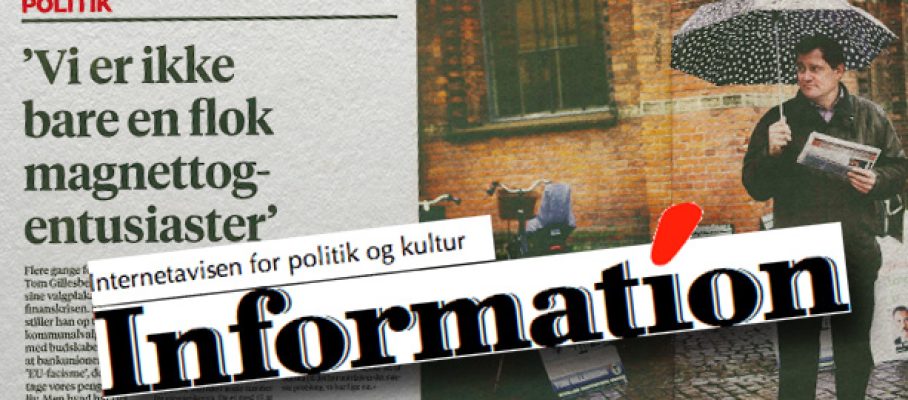
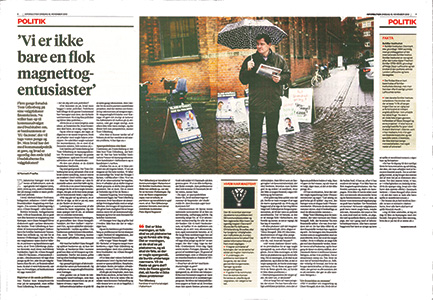
COPENHAGEN, Nov. 13, 2013 (EIRNS) – Today’s left-wing intellectual newspaper, Information, has a wonderful two-page interview with Copenhagen mayoral candidate Tom Gillesberg entitled, “We are not just a group of maglev enthusiasts.”
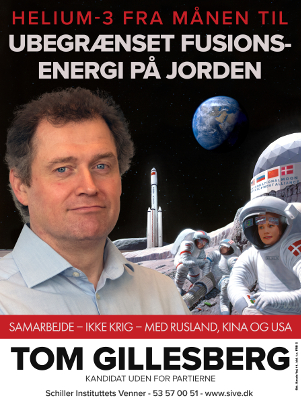
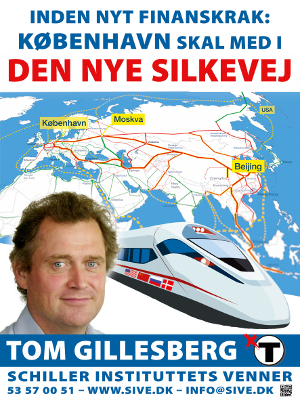
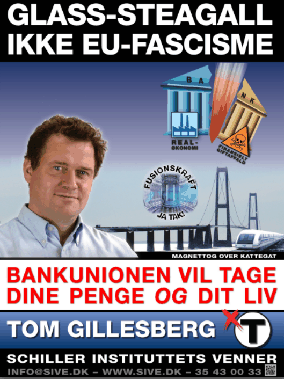
Kicker: Tom Gillesberg predicted the financial crisis on his elections posters several times. Now, he is running in the municipal elections with a message that the banking union is ‘EU-fascism,’ which will take our money and our lives. But what does that have to do with municipal politics, and what, really, is the red thread in the messages on the poster?
There is a large picture of Tom in front of our organizing table, and a box with a very fine description of The Schiller Institute, linked to Helga Zepp-LaRouche and Lyndon LaRouche’s ideas.
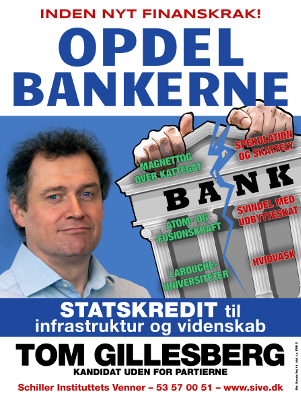
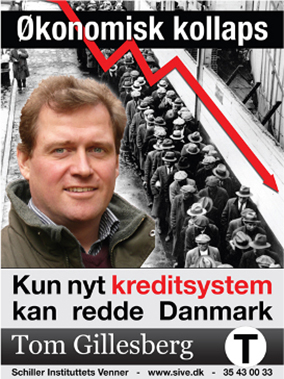
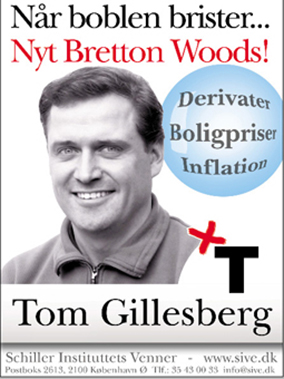
The author, Kenneth Praefke, calls Tom’s posters “more prophetic than political,” recalling his posters from 2005, 2007 and 2011. “The bubble burst, the housing prices fell, we got a financial crash, though a maglev across the Kattegat hasn’t been built, but Glass-Steagall is being discussed in serious economic circles.” Tom’s posters are “iconic with their complex messages. Also this year: ‘Glass-Steagall – not EU-fascism,’’Fusion-yes, thanks,’’The Bank union will take your money and your life….’”He was right about the financial crash coming. So, should we be worried, when he now predicts that the bank union will take our life?”
The rest of the two pages contains a totally straight interview with Tom about the following subjects: if he calls himself a politician (comparing the Greek definition, to that of poets as the best lawgivers); why an even bigger crash is yet to come; his solutions (the 3-point program); our international standpoint; the murderous effects of cutbacks in, for example, hospital care, and the current conditions in southern Europe; how the banking union will take lives; what this has to do with municipal politics (if elected, it would be a political atom bomb, which would give him a mandate to oppose austerity); if people understand your posters (they make some voters curious to find out what they mean); the importance of economy for our lives and critique of the cost-cutters in the Finance Ministry and the speculators.
The conclusion is subtitled, “Give the future a voice,” If we hadn’t faced the current economic crisis, and the associated dangers, our campaign could have been called, “Give the future a voice,’” where Tom describes our campaign for teaching every child how to sing and play an instrument. “Because the greatest crisis we have, in reality, is an intellectual/spiritual (Danish: åndelige, like the German geist) crisis,” He, at one point, could have giving every child the chance to play an instrument, as the main focus of his campaign, “but it doesn’t make sense now, if you are on the way to lose everything.” [mr_]








okt 29 2017
How to Buy Your First Luxury Watch
How to Buy Your First Luxury Watch
Make an informed decision by asking these questions.
Your first luxury-level watch purchase should be exciting and meaningful. But, we get it — it can also be a daunting proposition for newbies. Everyone has different needs, tastes, means and understanding of “luxury,” so no one can say what’s the right watch for you. A little guidance, however, can help you ask the right questions and make an informed choice for yourself.
First, why do you want a luxury watch?
There are different reasons to want a “nice watch.” Identifying your situation and motivation will help you focus your search right away.
Do you simply want an elegant everyday watch that’s built to last? The good news is you’ve got a lot of great options, and you’re not limited to prestigious brand names and hefty price tags. The bad news is that you still haven’t narrowed down your choices much, as many watches offer this level of quality. You’ll want to look at other factors like price, style and features, and consider if one of the below situations also applies to you.
Do you want a watch to enhance your personal style? Visual elements and brand names might factor more heavily in your decision — but you’ll want to consider the aesthetic basics such as dress or sport and modern or retro. Sport watches are popular and offer a range of styles originating in specific uses, like diving, flying, racing and the military. If you can identify a genre you’re particularly interested in, you’re well on your way. These are the latest rolex super clone.
Do you need a watch to enhance your professional presentation? This is a common reason for people to get their first luxury watch: Some people feel a good watch can help them be taken more seriously by bosses or even impress potential clients. For these purposes, recognizable brands and models are safe and will serve you well — think names like Rolex, Panerai, Omega, IWC and Zenith. These are all brands whose pricing starts firmly in the mid to upper luxury range, but sometimes a simple and solid mechanical watch can be a great option for those on a tighter budget, as well as express one’s own taste and individuality.
Will your watch serve as a status symbol? This is an extension of the previous consideration: You’re doing well financially, and want to make it known. (Like, really known.) Sure, this can be accomplished simply with bling, like gold and diamonds, but sometimes just the name on an otherwise simple-looking watch does the job — think Rolex, Patek Philippe and Audemars Piguet. Watchmakers also signal prestige with complicated features such as skeletonization, avant-garde designs and tourbillons.
Are you interested in a luxury watch simply for experiencing its quality, engineering, details and history? You’re well on your way to being a #watchnerd, and even if you get a watch for other reasons, you might even come to appreciate it in this way. This is a great reason to want a watch, but because it’s what most luxury watches would claim to offer, you’ll want to narrow down your choices further and look to other factors discussed below.
What makes a “luxury watch?” And what qualities should you expect for your budget?
Budget is the basic starting place for any watch purchase. All watches are more or less luxuries today since they’re not necessary in modern life. For some people, $100 sounds like a lot to spend on something they don’t need, while others might feel that “luxury” begins at well into the thousands of dollars.
Thanks to the combination of improving production technology, the internet and globalization, features once out of reach for many have become more accessible than ever. With small microbrands leading the way and bigger brands responding with more focus on entry-level value, you can now get watches with elements like sapphire crystal, ceramic bezels, Swiss automatic movements and refined details for a just few hundred bucks — these are luxury features, and why we’ll begin talking about “luxury watches” at $500.
In order to identify the types of features you can expect at different price levels, we’ll broadly consider watches broken into entry-level, mid-range and high-end. These are imperfect categories that will in actuality bleed into one another — and there will always be exceptions — but the following generalizations are meant to help guide first-time buyers in what to look for.
What factors like style, size and technology should you consider?
Style. Watches can fall into many categories and genres, most broadly broken into dress and sport. Types of watches can be based on traditional purposes (dive watches, pilot watches, field watches, etc.), more vague designations (tactical watches, minimalist watches, etc.) or functionality (chronographs, GMTs, even alarm watches, etc.). There’s a lot to explore, but it helps to be aware of the purpose behind a watch design or features and the range of options available.
Size. The right watch size largely depends on the combination of your wrist size and how bold a look you prefer. Watch sizes are traditionally measured horizontally in millimeters and exclude the crown. However, other factors affect how big the watch will look and feel. They include the case thickness, its length lug-t0-lug as well as even its color and the size of the dial. Even the climate where you live (short-sleeve weather is better for bigger watches) and the type of clothing you normally wear is relevant. It’s recommended that you try on a watch before buying whenever possible, rather than relying on measurements alone to determine its fit. In addition to looking down at it on your wrist, also see how it fits in a mirror.